No Rastro da Mentira – Amy Tintera | Resenha

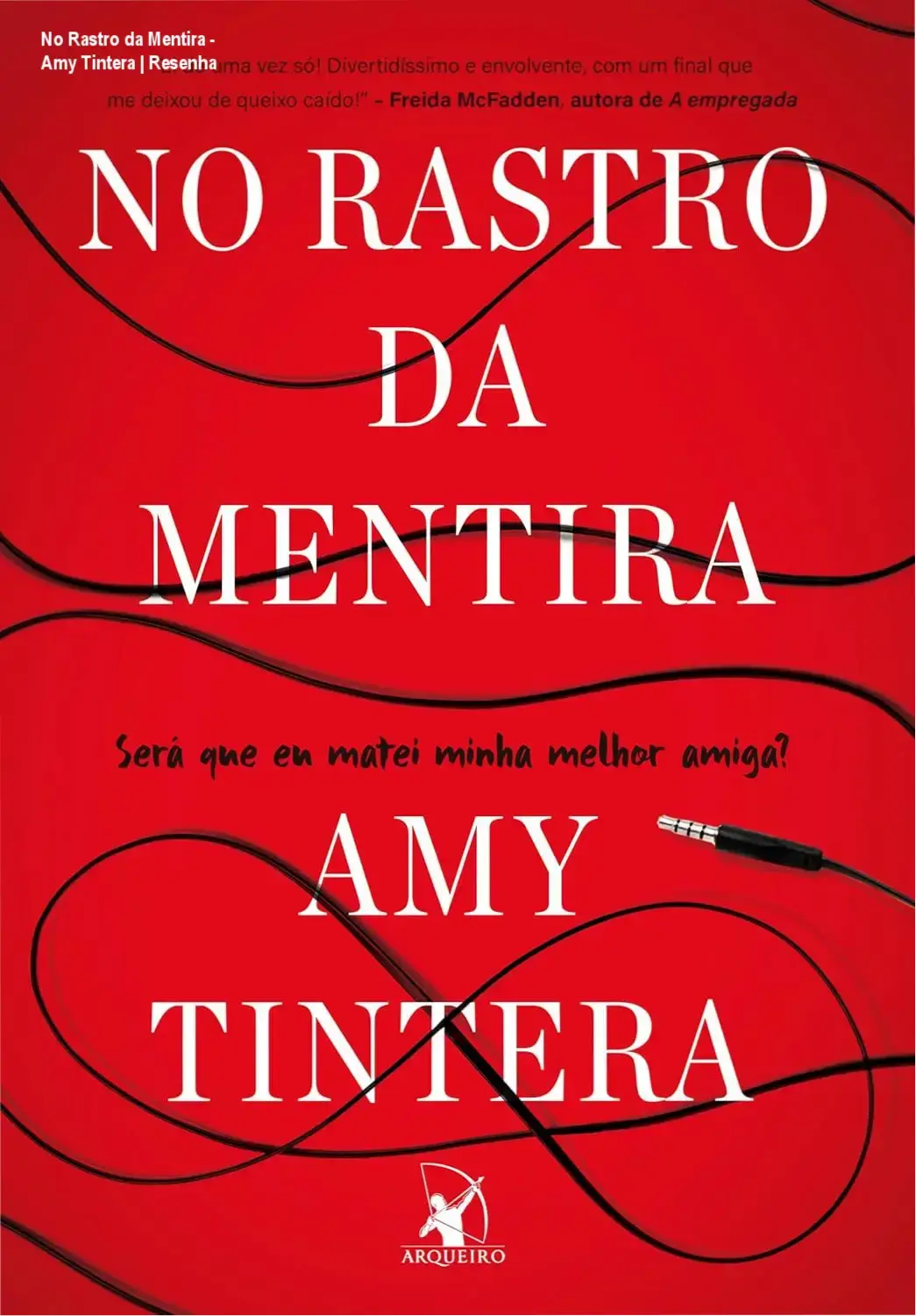
Lucy viveu um inferno que ninguém acredita. Acusada de assassinar sua melhor amiga, ela fugiu de Plumpton, Texas, para Los Angeles — onde tenta apagar memórias que não quer reviver. Cinco anos depois, um podcast de crimes reais decide reabrir o caso. Agora, a verdade pode custar tudo.
- O dilema da culpa silenciosa: Quando segredos que não confessamos começam a assombrar até as mentes mais fortes.
- O peso da memória: Como traumas não resolvidos podem corromper identidades inteiras.
Para fãs de thrillers psicológicos como O Assassino de Mulheres ou A Menina do Trem, No Rastro da Mentira promete um jogo de espelhos entre passado e presente — onde a única certeza é a dúvida.
Pronto para se aprofundar em “No Rastro da Mentira”?
Explore as edições disponíveis, confira o preço atualizado ou baixe uma amostra gratuita diretamente na Amazon.
Ver Amostra Grátis e Preço na Amazon
*Você será redirecionado para a Amazon. Como associado Amazon, podemos receber comissões por compras qualificadas.
Expectativa vs. Realidade:
- Expectativa: Um clássico whodunit com reviravoltas cinematográficas.
- Realidade: Uma exploração mais sombria sobre memória e identidade — onde o vilão pode estar dentro.
Análise Técnica: Estrutura Narrativa
O livro usa dupla narrativa temporal para contrastar Lucy no presente (LA) com flashbacks de Plumpton. Isso cria tensão constante, mas pode confundir leitores que preferem cronologia linear.
- Pro: A dualidade entre Lucy racional e sua versão fragmentada no passado é magistral.
- Contra: Alguns capítulos alternados parecem desnecessários, diluindo o ritmo.
Temas Centrais: Memória e Identidade
Lucy não só investiga um crime, mas confronta a si mesma. A pergunta central — “E se eu fui eu?” — ressoa com leitores que já lutaram contra traumas reprimidos.
- Citações marcantes:
“A verdade não é um fato. É um rastro — e você escolhe onde parar de seguir.”
- Impacto emocional: Críticas no Goodreads destacam a “dor de assistir alguém se desconstruir sem entender por quê”.
Público-Alvo e Recepção
Fãs de Gone Girl e O Silêncio das Mulheres encontrarão terreno comum, mas o livro carrega uma pesquisa psicológica mais ambiciosa.
Aspecto Avaliação Complexidade emocional ⭐⭐⭐⭐☆ Velocidade narrativa ⭐⭐⭐☆☆
Críticas de Leitores
No Reddit, usuários elogiaram a “protagonista imperfeita” mas apontaram falhas na construção do vilão:
- “Lucy é realista demais — odeio quando personagens não têm respostas.”
- “O final foi perfeito. Não esperava que o livro questionasse a própria noção de ‘verdade’.”
Valor Prático: Lições para a Vida Real
O livro vai além do entretenimento: ele questiona como nossos passados moldam decisões atuais. Uma metáfora para processos de autoconhecimento.
- Para terapeutas: Útil como caso estudo sobre dissociação e memória.
- Para leitores comuns: Um lembrete de que traumas não resolvidos podem distorcer nossa percepção da realidade.
Conclusão: Recomendação Contextual
Se você busca um thriller com profundidade psicológica e não apenas reviravoltas, No Rastro da Mentira é uma aposta segura. Ideal para leitura noturna — mas prepare-se para acordar com dúvidas.
Links Úteis
We need to produce the second part of an analytical review for the book “No rastro da mentira” by Amy Tintera (author). Must follow strict formatting: use only HTML tags:
,
<
h3>,
<
ul>,
<
table class=”wp-block-table is-style-stripes” style=”width:100%; border-collapse: collapse; margin: 25px 0; font-family: sans-serif; border: 1px solid #dee2e6;”>,
<
ul>
- Pergunta: …
maybe. We must include exactly 1 link in the last paragraph of this section. That link should be contextual and use the tag “Link_afiliado”. So we can write something like: “Para conferir avaliações e ofertas, clique em Link_afiliado.” That’s the only link in that paragraph. We must ensure that there is exactly 1 link in that paragraph, and no other links elsewhere in the text (except the one in the card? The card also contains a link but that’s separate; they said exactly 1 link in the text and 1 button CTA in the card. The card’s link is considered a link but it’s inside the card; they said “Insira EXATAMENTE 1 link de afiliado contextual no texto e 1 botão CTA no card HTML.” So the link in the card is allowed, but the link in the text must be exactly one. So we must not have any other tags elsewhere. So we must avoid any other links. So we must not put any other tags besides that one in the last paragraph and the one in the card (which is required). The card’s link is part of the card HTML; it’s okay. Thus we must not include any other tags. So we must not wrap any other URLs in . So we must be careful. Now structure: We need to output the block of continuation based strictly on the directive. So we start directly with the content. No intro. We need to produce the “PERFIL DO LEITOR, CUSTO-BENEFÍCIO E CONCLUSÃO EDITORIAL” section (300-650 words). Then after that, we need to include the card HTML block. The card HTML must be exactly as given, with the href attribute set to the affiliate URL. It must contain exactly 1 button CTA and no internal link in the card text. The card includes a tag for the button; that’s the link. That’s okay. We must ensure we don’t add any extra HTML tags beyond those allowed:
,
<
h3>,
<
ul>,
<
table class=”wp-block-table is-style-stripes” style=”width:100%; border-collapse: collapse; margin: 25px 0; font-family: sans-serif; border: 1px solid #dee2e6;”>,
<
div>,
<
h4>,
, , etc. The allowed tags list does not include
<
div>,
<
h4>, etc. But the directive says “Escreva EXCLUSIVAMENTE em HTML limpo usando:
,
<
h3>,
<
ul>,
<
table class=”wp-block-table is-style-stripes” style=”width:100%; border-collapse: collapse; margin: 25px 0; font-family: sans-serif; border: 1px solid #dee2e6;”>,
<
div>,
<
h4>,
<
div>,
<
h4>,
<
div>,
<
h4>,
<
h2>,
<
h5>, etc. Only
<
h3> is allowed. The card uses
<
h4> which is not allowed by the allowed tags list. But the directive explicitly says to insert that block. So we must include it even though it uses
<
h4>. Probably they allow that block as is. So we will include it. Now craft the content. We need bullet points every 2 paragraphs. So we will have paragraph1, paragraph2, then bullet list, then paragraph3, paragraph4, then bullet list, etc. We need to keep each paragraph max 3 lines. In HTML, a line break is not explicit; but we can just keep short sentences separated by spaces. We’ll treat each
as a paragraph. We’ll keep them short. We need to reach 300-650 words. Let’s aim for about 350 words. Let’s count approximate words. We’ll produce maybe 30 paragraphs of ~10-12 words each = 300-360 words. We must embed bullet lists every 2 paragraphs. So after paragraph 2, we insert
- Item1
- Item2
. Then after paragraph 4, another bullet list, etc. We must embed a FAQ with bold highlights. Could be part of bullet lists or separate. Use
<
ul> with
etc