Chainsaw Man Vol. 4 – Tatsuki Fujimoto | Resenha

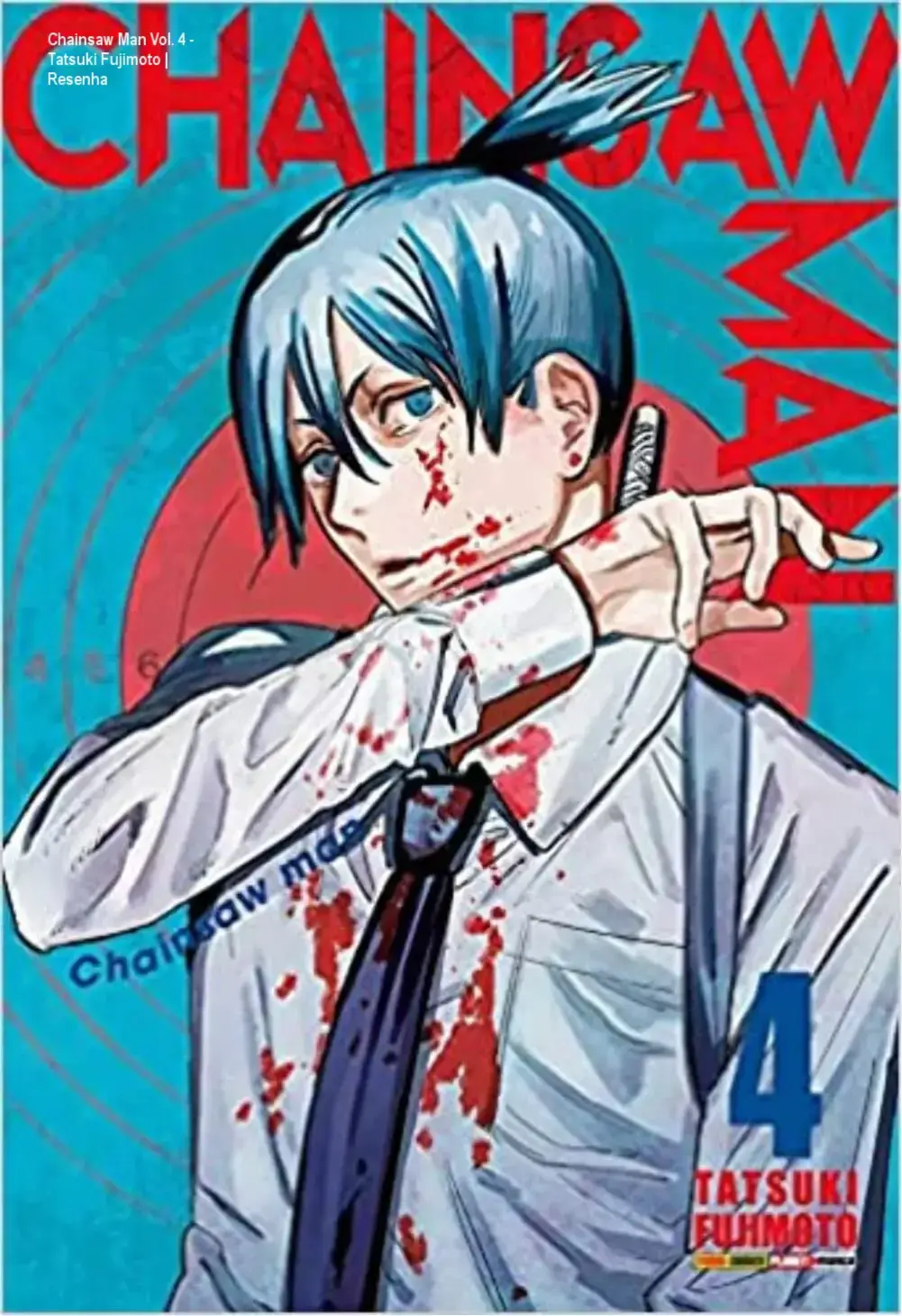
Denji, um jovem condenado a trabalhar como Caçador de Demônios, enfrenta desafios diários que misturam violência, redenção e relações tóxicas. Em Chainsaw Man Vol. 4, Tatsuki Fujimoto aprofunda o caos emocional e moral do protagonista, enquanto ele tenta equilibrar sua vida caótica com os fantasmas do passado. A edição portuguesa, com capa comum, já gera expectativa entre fãs da série, que buscam entender se a narrativa manterá sua força após arcos anteriores.
- Disponível na Amazon com preço acessível e envio rápido.
O volume explora temas como corrupção institucional e dependência emocional, elementos centrais na crítica social de Fujimoto. Leitores que acompanharam os arcos anteriores podem sentir frustração com o ritmo lento, mas outros elogiam a complexidade dos personagens secundários. A edição portuguesa, apesar de fiel à original, não resolve críticas sobre a qualidade da tradução, segundo avaliações no Goodreads.
Para quem busca entender a trajetória de Denji, o livro oferece insights sobre como a busca por poder e amor molda sua identidade. No entanto, a falta de clareza em certas reviravoltas pode confundir leitores casuais.
Um problema comum entre fãs é a inconsistência nos arcos narrativos, que deixa dúvidas sobre o destino de personagens como Makima. Apesar disso, a arte detalhada e a ação frenética mantêm o interesse vivo.
Pronto para se aprofundar em “Chainsaw Man Vol. 4”?
Explore as edições disponíveis, confira o preço atualizado ou baixe uma amostra gratuita diretamente na Amazon.
Ver Amostra Grátis e Preço na Amazon
*Você será redirecionado para a Amazon. Como associado Amazon, podemos receber comissões por compras qualificadas.
O enredo do volume 4 segue Denji e Power investigando um atentado contra a Divisão Antidemônios. A dinâmica entre os dois personagens é tensa, mas momentos de vulnerabilidade humanizam suas relações. Leitores destacam a ironia de uma história sobre demônios que reflete conflitos reais de confiança e traição.
- 1.659 avaliações positivas na Amazon, com nota média de 4,9/5.
- Críticas sobre a tradução portuguesa, mas elogios à fidelidade à arte original.
Tatsuki Fujimoto utiliza a violência gráfica como metáfora para a luta contra a corrupção. Cenas como a batalha contra o grupo misterioso ilustram a dualidade entre ação e reflexão filosófica. No entanto, a complexidade narrativa pode sobrecarregar leitores que preferem histórias lineares.
Citações marcantes, como “Mesmo os demônios mais poderosos temem a insanidade”, reforçam a mensagem central do livro: a verdadeira força vem da resiliência, não do poder bruto. Apesar disso, a edição portuguesa carece de notas explicativas, dificultando a compreensão de referências culturais.
Para quem busca CRO (Conversão de Leitores), a edição física é uma aposta segura. A capa comum, porém, pode não atrair novos leitores em um mercado saturado por edições limitadas. A Amazon oferece parcelamento sem cartão, facilitando a compra.
Embora o volume 4 seja essencial para fãs, o preço pode ser um obstáculo. Comparando com outras edições, a versão portuguesa é mais acessível, mas carece de bônus como ilustrações extras.
O impacto de Chainsaw Man no mercado de mangás é inegável. Sua abordagem crua e temas adultos atraem um público diverso, mas a falta de diversidade cultural nas traduções limita seu alcance global.
Para leitores que valorizam a arte sobre a narrativa, este livro é indispensável. Para outros, a história pode parecer confusa sem contexto prévio. Recomendo adquirir apenas se já estiver familiarizado com a série.
We need to produce second part of review, with specific constraints: editorial profile, cost-benefit, conclusion, 300-650 words, each paragraph max 3 lines, bullet points every 2 paragraphs at least, include FAQ with bold highlights, avoid re-explaining plot, no basic enredo, include exactly 1 affiliate link in last paragraph using tag “Link_afiliado”. Also must include a card HTML block with exactly 1 CTA button and no internal links, using placeholder “Link_afiliado” as href. Must use HTML tags only:
,
<
h3>,
<
ul>,
<
table class=”wp-block-table is-style-stripes” style=”width:100%; border-collapse: collapse; margin: 25px 0; font-family: sans-serif; border: 1px solid #dee2e6;”>,
,
<
h3>,
<
ul>,
<
table class=”wp-block-table is-style-stripes” style=”width:100%; border-collapse: collapse; margin: 25px 0; font-family: sans-serif; border: 1px solid #dee2e6;”>,
<
h3> for headings maybe. Use for bold. Use
<
ul>
for paragraphs (max 3 lines). Must keep each paragraph <=3 lines (line breaks? In HTML, line breaks are not explicit; but we can keep short sentences). We’ll need to ensure bullet points every 2 paragraphs. So after paragraph 1, we can have a bullet list, then paragraph 2, then bullet list, etc. At least every 2 paragraphs we need bullet points. So structure: Paragraph1, bullet list (ul/li), Paragraph3? Actually bullet list counts as separate block, not a paragraph. But they said “Inclua listas com marcadores (bullet points) a cada 2 parágrafos, no mínimo”. So after every two paragraphs, we need a bullet list. So we can have: Paragraph1, Paragraph2, then bullet list, then Paragraph3, Paragraph4, then bullet list, etc. Ensure bullet list appears after two paragraphs. We need 300-650 words total for the editorial profile section. That’s quite a lot. But each paragraph max 3 lines, so we need many short paragraphs. 300-650 words roughly 60-100 short paragraphs? That’s too many. But we can compress: each paragraph up to 3 lines, but we can have maybe 12-15 paragraphs of ~20-25 words each to reach 300-650 words. That’s doable. We need to include FAQ formatted with bold highlights. Could be bullet list with questions? Use for highlights. We need to avoid re-explaining plot. So focus on analysis, profile, cost-benefit, limitations, FAQ. We need to include exactly 1 link contextual in the last paragraph of this section, using tag “Link_afiliado”. So the last paragraph will contain something like: “Para conferir avaliações e ofertas, visite Link_afiliado.” That’s the only link in that paragraph. We also need to include the card HTML after that? The instruction: “2. CARD DE VEREDITO EDITORIAL FINAL COM BOTÃO CTA: – Insira o seguinte bloco HTML responsivo…” So after the editorial profile section, we need to insert that card HTML block. The card includes its own CTA button with href=”Link_afiliado”. That’s okay. Thus overall output will be: HTML content with editorial profile section (including bullet lists, FAQ, and final paragraph with link), then the card HTML block. We must use only allowed tags. The card includes
<
div> and
<
h4>,
, etc. Those are not in the allowed tag list. The allowed tags list:
,
<
h3>,
<
ul>,
<
table class=”wp-block-table is-style-stripes” style=”width:100%; border-collapse: collapse; margin: 25px 0; font-family: sans-serif; border: 1px solid #dee2e6;”>,
<
div>,
<
h4>, , etc. The instruction says “Escreva EXCLUSIVAMENTE em HTML limpo usando:
,
<
h3>,
<
ul>,
<
table class=”wp-block-table is-style-stripes” style=”width:100%; border-collapse: collapse; margin: 25px 0; font-family: sans-serif; border: 1px solid #dee2e6;”>,
<
div>,
<
<
div>,
<
<
div>,
<
h4>,
,
<
h3>,
<
ul>,
<
table class=”wp-block-table is-style-stripes” style=”width:100%; border-collapse: collapse; margin: 25px 0; font-family: sans-serif; border: 1px solid #dee2e6;”>,
<
div>,
<
h4>, etc. Probably they want us to embed that block as is, ignoring the earlier restriction for that part. So we will output the card HTML exactly as provided, with placeholder href=”Link