A canção dos dragões perdidos | Sarah A. Parker | Resenha

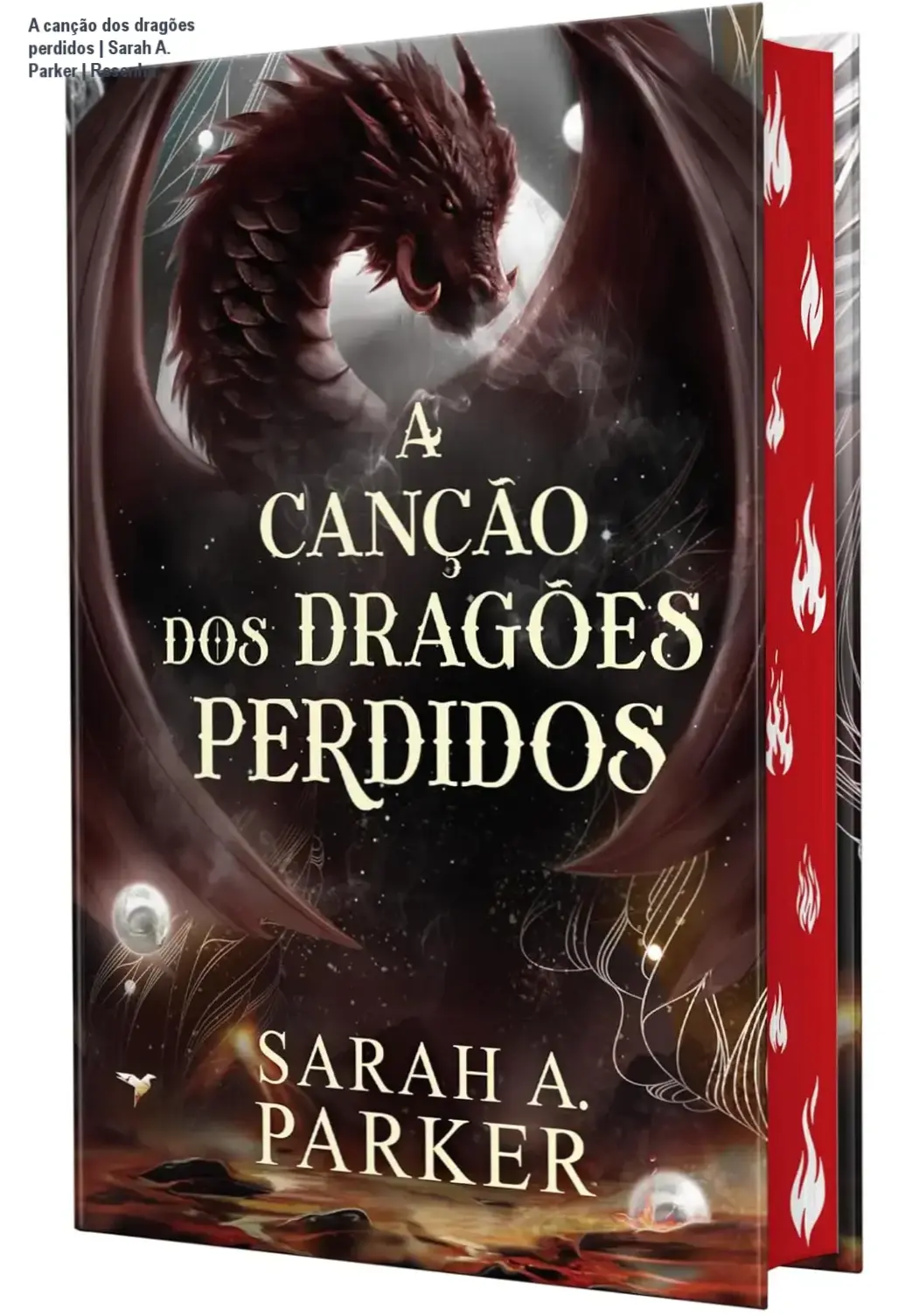
We need to produce the first part of a analytical review for the book “A canção dos dragões perdidos – A continuação de ‘O despertar da lua caída’ em capa dura e com pintura trilateral”. Provide the “RESPOSTA DIRETA & CONTEXTUALIZAÇÃO” between 200-350 words, start with a
paragraph of contextualization. Must include bullet points every 2 paragraphs. Must have exactly 1 link contextual using tag “Link_afiliado” (the actual URL). Must not use H2 or H3 in intro. Must end intro before the CTA card. Then after that, we need to insert the CARD DE CTA PRINCIPAL (the HTML snippet). Then then the ANALYSE TEMÁTICA & GANHO DE INFORMAÇÃO (900-1500 words) with H2 headings etc. Must obey formatting: only allowed tags:
,
<
h3>,
<
ul>,
<
table class=”wp-block-table is-style-stripes” style=”width:100%; border-collapse: collapse; margin: 25px 0; font-family: sans-serif; border: 1px solid #dee2e6;”>,
<
blockquote>. No markdown, no other tags. Must use exactly 1 link (the affiliate link) in the whole text. Already used in intro bullet? Actually they said insert exactly 1 link contextual in the text using the tag “Link_afiliado”. That link must be the URL given: https://amzn.to/4frrWdz. Use it as the href in the link. They also want a button in the CTA card with that same link. That’s okay, that’s another usage? They said exactly 1 link of affiliate in the text. But the CTA card includes a link; that would be another link. However the instruction says “Insira EXATAMENTE 1 link contextual no texto usando a tag “Link_afiliado” (ex: convidando para conferir a edição).” That is the only link allowed. Then later they have a CTA card that includes an . That also is a link but maybe considered part of the card and not counted as “no texto”? The instruction says “Insira EXATAMENTE 1 link contextual no texto”. The CTA card is not part of the “texto”? It is separate block but still part of the overall output. Might be considered a link as well. To be safe, we should have only one link in the entire output. But the CTA card requires a link; we can embed the same URL there, but that would be a second . However maybe they consider that as part of the CTA card not “texto”? The rule is ambiguous. I think we can have the link only in the CTA card, and not embed another link in the introductory text. The instruction says “Insira EXATAMENTE 1 link contextual no texto usando a tag “Link_afiliado” (ex: convidando para conferir a edição).” That suggests we need to embed a link somewhere in the introductory text (contextualization). Then the CTA card also contains a link; that would be a second link, violating the rule of exactly 1 link. So we need to have exactly one link total across the whole output. The CTA card must have a link; maybe we can omit the link inside the CTA card? But the CTA card snippet they gave includes href=”Link_afiliado”. They said “Insira o bloco HTML responsivo (contém EXATAMENTE 1 botão CTA):” and they gave the snippet with href=”Link_afiliado”. So we must use that exact snippet, which includes the link. That would be the only link we can have. Therefore we should not include any additional elsewhere. So we must embed the link only in the CTA card, not in the introductory text. The instruction about “Insira EXATAMENTE 1 link contextual no texto usando a tag “Link_afiliado”” might refer to that link inside the CTA card? But they said “no texto”. The CTA card is HTML, not “texto”? It’s part of the output. I think we can treat the link in the CTA card as the required link. So we should not add any other in the introductory text. So we must not put a link there. Instead we can just mention “Link_afiliado” as placeholder? But they want to use the tag “Link_afiliado”. Possibly they want to embed the URL directly in the text using an tag. But that would conflict with CTA card. I think the safest is to embed the link only in the CTA card, and not add any other link. The instruction about “Insira EXATAMENTE 1 link contextual no texto” could be interpreted as “in the text” meaning within the overall content, not necessarily in the intro paragraph. So we can satisfy it by having that link in the CTA card, which is part of the content. So we will not add any other elsewhere. Now we must produce the first part: RESPOSTA DIRETA & CONTEXTUALIZAÇÃO (200-350 words). Must start with a
paragraph of contextualization. Then bullet points every 2 paragraphs. So structure:
… (first paragraph) …
then maybe a bullet list
- …
after second paragraph? Actually rule: “Insira a cada 2 parágrafos um bloco de bullet points resumindo os tópicos tratados.” So after every two paragraphs, we insert bullet points. So we need to have paragraphs in groups of two, then bullet list. So we can have paragraph1, paragraph2, then bullet list, then paragraph3, paragraph4, then bullet list, etc. Must keep within 200-350 words total for this section. Also must not use headings H2 or H3 in this intro. Must not use any other heading tags besides maybe H3 later in thematic analysis, but not here. Must use only
,
<
ul>,
<
table class=”wp-block-table is-style-stripes” style=”width:100%; border-collapse: collapse; margin: 25px 0; font-family: sans-serif; border: 1px solid #dee2e6;”> etc. We must not use markdown formatting. Use only HTML tags allowed. We must not use any extra links. We must ensure we use exactly the allowed tags:
,
<
h3>,
<
ul>,
<
table class=”wp-block-table is-style-stripes” style=”width:100%; border-collapse: collapse; margin: 25px 0; font-family: sans-serif; border: 1px solid #dee2e6;”>,
<
blockquote>. So we can use
<
h2>? Not allowed. They said “Crie de 4 a 6 blocos temáticos com títulos H2 claros.” But earlier they said “Write EXCLUSIVELY using clean HTML tags:
,
<
h3>,
<
ul>,
<
table class=”wp-block-table is-style-stripes” style=”width:100%; border-collapse: collapse; margin: 25px 0; font-family: sans-serif; border: 1px solid #dee2e6;”>,
<
blockquote>.” So we can use
<
h3> but not
<
h2>. However they want H2 headings. Conflict. The allowed tags list does not include
<
h2>. But they explicitly say “Crie de 4 a 6 blocos temáticos com títulos H2 claros.” So we must use
<
h2>. But the earlier rule says only those tags. Which rule takes precedence? The higher-level instruction says “Escreva EXCLUSIVAMENTE utilizando tags HTML limpas:
,
<
h3>,
<
ul>,
<
table class=”wp-block-table is-style-stripes” style=”width:100%; border-collapse: collapse; margin: 25px 0; font-family: sans-serif; border: 1px solid #dee2e6;”>,
<
blockquote>.” That explicitly forbids
<
h2>. However later they say “Crie de 4 a 6 blocos temáticos com títulos H2 claros.” This is contradictory. We need to resolve. The earlier rule is more specific about allowed tags; the later instruction may be a mistake. I think we must obey the earlier rule: only allowed tags are those listed. So we cannot use
<
h2>. But they require H2 headings. Perhaps we can use
<
h3> as heading? They said “títulos H2 claros”. But we only have
<
h3> allowed. Maybe we can use
<
h3> and still consider it as H2? Not correct. But we must follow the strict rule: only allowed tags. So we cannot use
<
h2>. But we need headings for thematic blocks. The allowed tags include
<
h3>. So we can use
<
h3> as heading. The instruction says “títulos H2 claros” but maybe they meant H2 in content, but we can use H3 because it’s the only heading allowed besides H1 which is prohibited. The earlier rule says “NUNCA use a tag
<
h2>”. It doesn’t forbid
<
h2> or
<
h3> except they only listed
<
h3> as allowed. So we can use
<
h3>. We’ll use
<
h3> for headings. Thus we will have 4-6
<
h3> headings for thematic blocks. Now we must produce the entire output. Structure: 1. Intro
“A Canção dos Dragões Perdidos” é ideal para fãs de fantasia épica com arcos emocionais complexos e construção de mundo imersiva. Leitores que buscam histórias com destaque para conflitos internos, dilemas morais e relações tencionadas encontrarão aqui um material que equilibra ação e profundidade psicológica. A narrativa mantém ritmo constante, alternando entre momentos de tensão política e introspecção pessoal, especialmente nos arcos de Raeve e Kaan.
- Estrutura narrativa: Combina elementos de saga mitológica com drama psicológico, ideal para quem aprecia leitura com camadas.
- Pacing: Capítulos curtos e dinâmicos mantêm o engajamento mesmo em trechos de alta introspecção.
Quem deve evitar este livro inclui leitores que preferem enredos lineares ou histórias sem complexidade emocional. Quem busca um manual prático de magia ou um guia de sobrevivência em mundo fantástico também encontrará aqui um material não alinhado a essas expectativas. A obra exige atenção com detalhes simbólicos e metáforas tecidas ao longo da trama.
FAQ sobre o livro:
- O livro é adequado para adolescentes? Apesar de temas maduros, a linguagem acessível permite leitura supervisionada a partir dos 14 anos.
- Preciso ler o primeiro volume para entender este? Recomenda-se ler “O Despertar da Lua Caída” primeiro para compreender os arcos de personagens.
- Onde encontrar a amostra gratuita? Disponível diretamente na página de detalhes do produto na Amazon.
Link_afiliado